What does your neck pain feel like?
Neck pain can have several causes. Stiffness in one area, pain after an injury and symptoms traveling into an arm call for different questions. A description of the pain helps, but it cannot replace an examination.
Start with your symptoms and examination
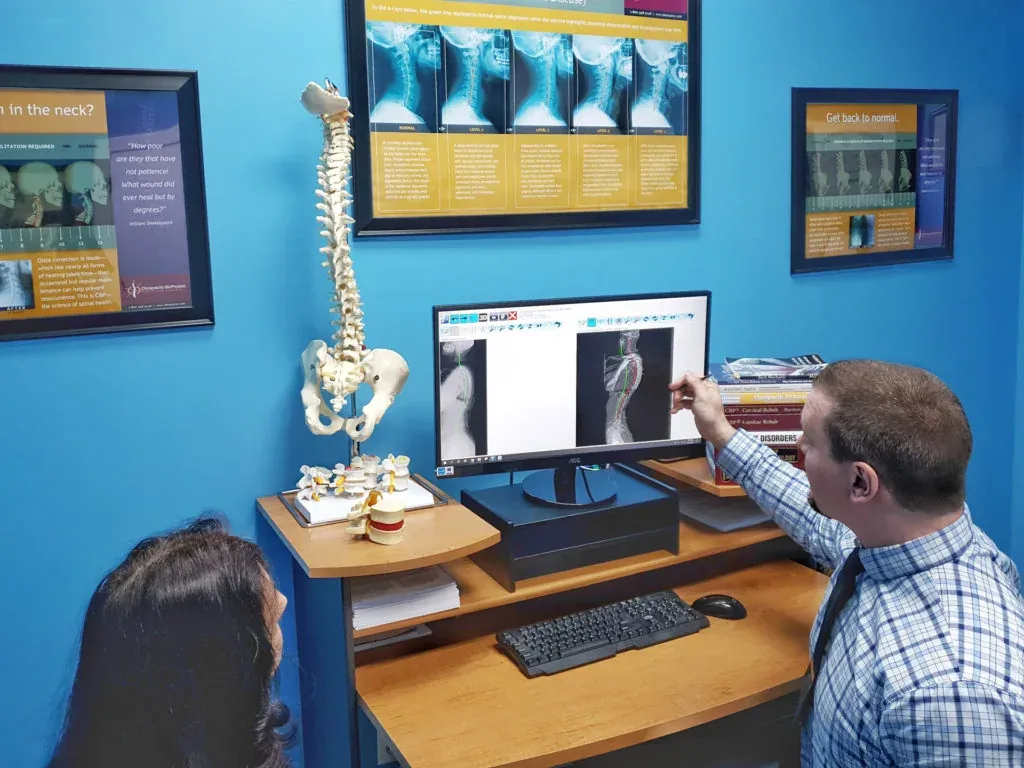
At The Optimal Spine Evaluation, Dr. Koser reviews your history and examines movement. Neurological and orthopedic findings help guide the next step. Bring relevant imaging and reports, and mention any headaches, dizziness, tingling or changes in strength.
A plan you can understand
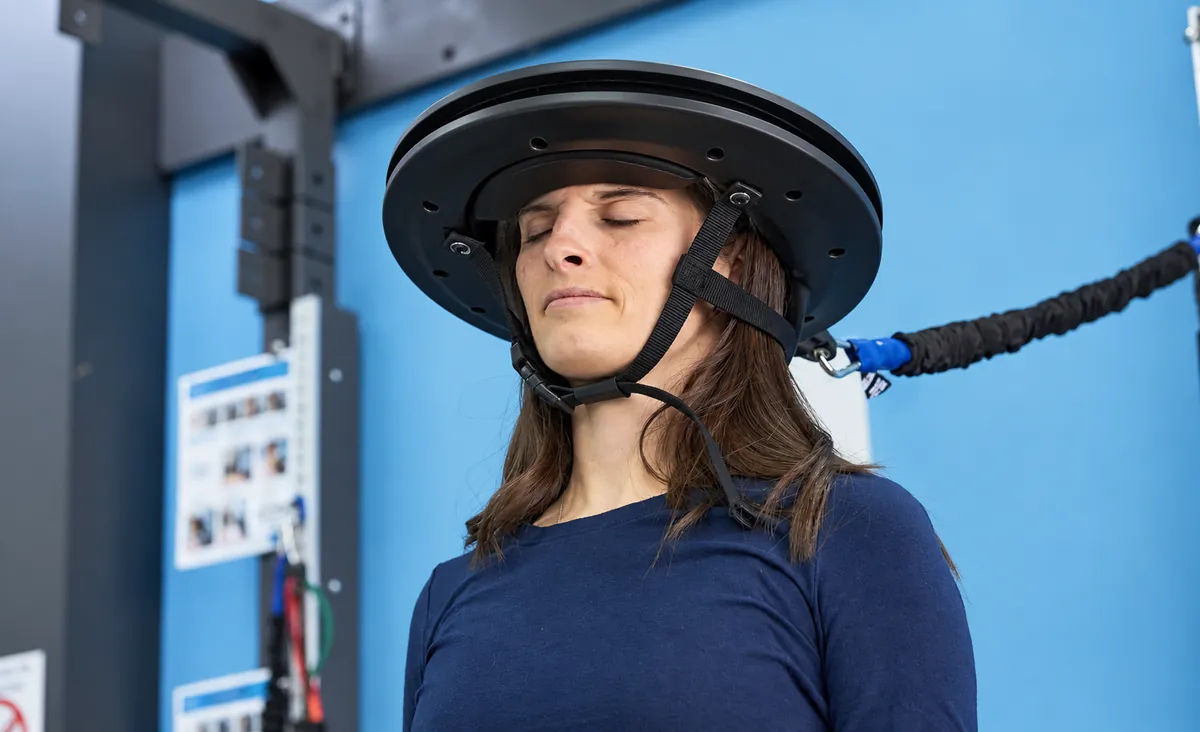
Dr. Koser explains what the examination suggests and how a recommendation relates to your symptoms. Your options can include chiropractic care, progressive corrective exercise or neck decompression. We’ll talk through what to expect, your preferences and the changes we want you to report between visits.
When pain travels into your arm
Pain, tingling or weakness extending into an arm needs a closer look at nerve function. Our cervical radiculopathy guide explains the difference between local neck discomfort and possible neck-to-arm nerve symptoms.
Practice that fits your day
Tell us what your workday looks like and which activities you want back. Corrective exercise is selected around your examination and ability. The aim is to give you manageable work between visits, then adjust it as you progress.
Before you visit
Your questions, answered.
Does neck pain mean I have a pinched nerve?
No. Neck pain alone does not establish nerve compression. Arm symptoms and examination findings help determine whether a nerve may be involved.
Do I have to get my neck adjusted?
Tell Dr. Koser if you are uncomfortable with a particular technique. Your evaluation is a chance to discuss the options and your preferences before choosing care.