Tell us what brought you here
We begin with a detailed health history and the pattern of your pain. Where did it start? Where does it travel? Which movements or positions change it? We sometimes call this pain mapping: describing the location and behavior of your symptoms so we can connect them with the examination. Tell Dr. Koser about changes in strength, sensation or balance and what happened with previous care.
Examine what matters for your concern
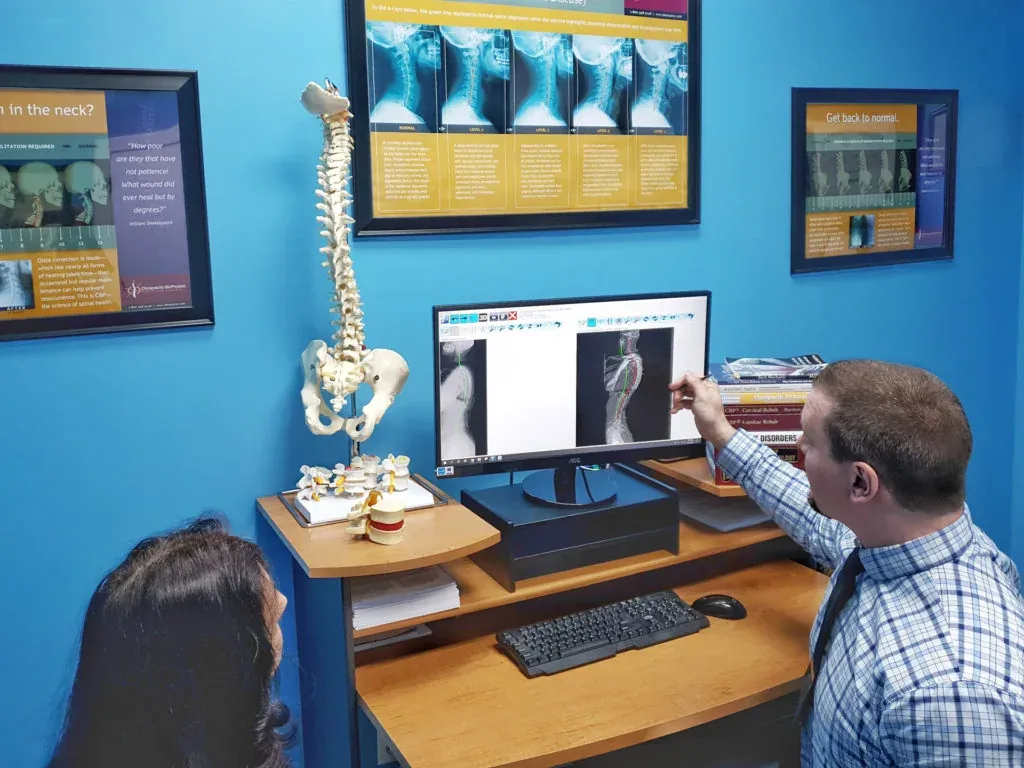
Dr. Koser brings together the physical and neurological examination with posture and movement findings. X-ray analysis is included when clinically appropriate; bring existing images and reports so they can be considered too. We explain what the findings suggest, what they do not settle and whether more information or another type of evaluation is needed.
Talk through the next step
- STEP 01
Connect the findings
Understand how your symptoms, history and examination fit together, including anything that remains uncertain.
- STEP 02
Choose a plan you understand
Discuss why a treatment or exercise is recommended, what it involves, your preferences and the alternatives.
- STEP 03
Know how we’ll check progress
Talk about changes in symptoms and the activities that matter to you. Reassessment helps us decide whether to continue or change the plan.
Before your visit
Bring relevant imaging and reports, your questions and information about previous care. Contact the office about fees, coverage, paperwork or how much time to allow. Appointment requests are confirmed by phone.
Before you visit
Your questions, answered.
Will I need X-rays?
Not everyone does. Dr. Koser uses your history and examination to decide whether imaging would answer a useful clinical question. Bring existing images and reports and ask what any recommended new study would help clarify.
What if I’ve already tried chiropractic or other care?
Tell us what was done and how you responded, including anything that helped only briefly or made symptoms worse. Previous reports and treatment details can help Dr. Koser understand what has already been explored. We’ll explain the next recommendation and the reason for it.
What happens if the plan is not helping?
Tell us about that change. We reassess your symptoms, function and relevant examination findings, then discuss whether to modify the plan, stop an approach, obtain more information or refer for another assessment.